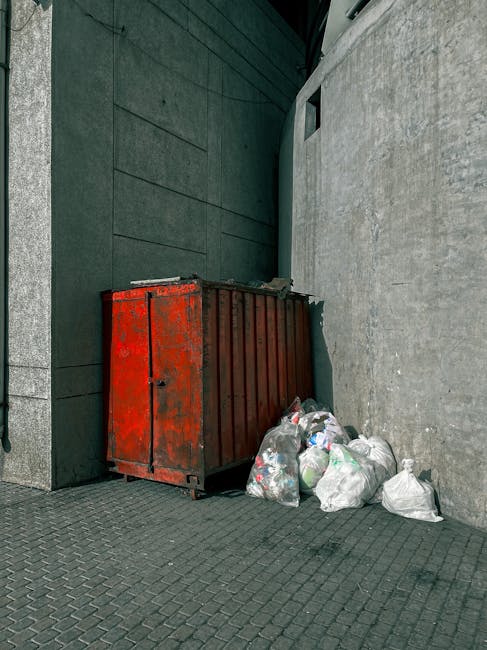
W8 Bulky Waste Guide: Best Disposal Spots in Kensington
If you live or work in W8, bulky waste can become a surprisingly awkward problem fast. A wardrobe that no longer fits the room, a broken sofa blocking a hallway, or a pile of flat-pack packaging after a renovation all need more than an ordinary bin collection. The challenge is not just getting rid of the items; it is choosing the right disposal route, keeping costs sensible, and avoiding unnecessary hassle.
This W8 bulky waste guide explains the best disposal spots in Kensington, how local bulky waste disposal usually works, and what to do when you need a dependable option that fits your schedule. You will also find practical steps, common mistakes to avoid, and a realistic comparison of the main methods people use in Kensington.
Key takeaway: the best disposal option depends on what you are throwing away, how quickly it needs to go, and whether you want to do the lifting yourself. For many people, the smartest solution is the one that saves time, avoids parking headaches, and ensures items are handled responsibly.
Why W8 Bulky Waste Guide: Best Disposal Spots in Kensington Matters
Bulky waste is not the same as everyday household rubbish. Large items take up space, are awkward to move, and often require a different disposal route. In Kensington, that matters even more because many properties are flats, mansion blocks, mews homes, or older buildings with tight stairwells, limited kerb space, and awkward access. A simple sofa removal can turn into a logistical puzzle if you do not plan properly.
The phrase "best disposal spots" can mean a few different things in practice. It may refer to local reuse and recycling points, council services, private clearance teams, or specialist collection options for items such as furniture, mattresses, white goods, and garden waste. The right choice depends on condition, quantity, urgency, and whether the waste can be reused or recycled. For items that are still usable, furniture clearance in Kensington is often the most practical route because it can separate reusable items from genuine waste.
There is also a timing issue. Bulky items left in communal areas can create safety risks, look untidy, and cause friction with neighbours or building managers. In a busy area like W8, a day or two of delay can be enough to create a real nuisance. That is why a clear plan matters before the item ends up in the hallway "just for a minute".
In a dense London postcode, the best bulky waste solution is rarely the one that sounds simplest on paper. It is usually the one that fits the building, the access, and the item itself.
For households and landlords, this is also about protecting shared spaces. For businesses, it is about maintaining tidy premises and avoiding disruption. If you are managing a move, refurbishment, or office refresh, it may be worth reviewing waste removal services in Kensington alongside a more targeted service such as office clearance or builders waste clearance.
How W8 Bulky Waste Guide: Best Disposal Spots in Kensington Works
There is no single universal process for bulky waste, but most disposal routes follow the same basic decision path: identify the item, decide whether it can be reused, choose the correct collection or drop-off method, and make sure the removal is safe and legal. Once you understand that sequence, the whole job becomes much easier.
Start with the item itself. Is it furniture, electrical equipment, mixed household junk, garden offcuts, or construction debris? The answer matters because each material stream may be handled differently. A broken wardrobe is not treated the same way as rubble, and a mattress is not handled the same way as a stack of office chairs.
In Kensington, many residents choose between four broad options:
- Council-assisted bulky waste collection for suitable household items.
- Reuse or donation routes for items that are still in good condition.
- Private clearance services for larger, mixed, or urgent removals.
- Self-haul to an authorised facility when you can transport items safely and legally.
Each option has a different balance of cost, convenience, and effort. If you are clearing a flat after a tenancy, for example, a flat clearance service can be more efficient than trying to move large items through narrow stairs and onto public transport. On the other hand, if you only have one small item in usable condition, reuse may be the better first step.
It also helps to think about access. Can a bulky item be carried down without damaging walls or lifting equipment? Is there parking nearby? Does the building require advance notice? These practical questions often decide which disposal method is best before cost even enters the picture.
Key Benefits and Practical Advantages
Choosing the right bulky waste option in Kensington offers more than convenience. Done properly, it can save time, reduce risk, and keep reusable materials out of the general waste stream. That is good for your schedule and better for the environment.
- Less disruption: a planned collection avoids dragging items around at the last minute.
- Safer handling: heavy furniture, broken glass, and sharp fittings are best managed by people with the right equipment.
- Cleaner shared spaces: hallways, entrances, and bin stores stay accessible.
- Better recycling outcomes: many bulky items can be dismantled and sorted more effectively than most people can manage alone.
- Lower stress: you are not trying to fit a three-seater sofa into a car that was never meant for it. Realistically, that plan rarely ages well.
There is also a commercial benefit for landlords, agents, and small businesses. A tidy property is easier to re-let, easier to inspect, and easier to present. If you are dealing with end-of-tenancy waste, home clearance in Kensington and house clearance services can be useful because they handle mixed contents rather than a single item type.
For people who care about responsible disposal, the best route is usually the one that allows sorting, recycling, and reuse where possible. That is especially true for metal frames, wooden furniture, office chairs, and some garden materials. If sustainability is part of your decision-making, it is worth reading about recycling and sustainability practices before booking any service.
Who This Is For and When It Makes Sense
This guide is useful if you are a homeowner, tenant, landlord, letting agent, business owner, or property manager in W8. Bulky waste tends to appear at predictable moments: after moving house, during a refurb, when replacing furniture, or after clearing out a garage, loft, or storage room.
Here are the situations where a more structured disposal plan makes sense:
- Moving out or moving in: old beds, wardrobes, and worn furniture can slow everything down.
- Tenancy turnover: leftover items need clearing before photographs, cleaning, or new occupancy.
- Renovation or decorating: builders' waste, packaging, and broken fixtures quickly accumulate.
- Office changes: desks, chairs, filing units, and broken equipment often need quick removal.
- Outdoor clear-outs: broken planters, garden furniture, and soil sacks are not ideal for a standard bin.
If you are clearing a loft, garage, or understairs storage area, a specialist service can save a lot of lifting and sorting. For example, loft clearance is often about navigating awkward access rather than just removing volume. Likewise, garage clearance usually includes mixed items with dust, cobwebs, and forgotten odds and ends that need separating before disposal.
For businesses, bulky waste is often tied to operational change. A new office layout, a refresh of furniture, or a move to a smaller unit can create more waste than expected. In those cases, business waste removal in Kensington can be a better fit than ad hoc disposal. It keeps the workspace functional while the clearance is carried out.
Step-by-Step Guidance
If you want a clean, low-stress bulky waste clearance, the best approach is to break the job into small decisions. Here is a practical process that works well for most W8 households and smaller commercial spaces.
- List what needs to go. Separate furniture, electrical items, garden waste, and builders' waste if possible.
- Check condition. Decide whether items can be reused, repaired, or donated.
- Measure access. Note stair width, lift size, parking restrictions, and whether items need dismantling.
- Choose your route. Compare collection, reuse, and private clearance options.
- Prepare the space. Move smaller items aside and keep walkways clear.
- Book the service or arrange the drop-off. Confirm timing, access, and any special handling needs.
- Sort the items on the day. Keep recyclable materials separate if the provider requests it.
- Get confirmation. Ask where the items will be taken and how reusable materials are handled.
One useful rule: if lifting the item feels risky or awkward, it probably is. Large wardrobes, heavy cabinets, and worn sofas are infamous for catching on door frames at the worst possible moment. A clearance team with the right tools and experience can avoid damage and prevent injuries.
If you are dealing with a full-property job, a house clearance service can often be the most efficient route because it removes the need to manage multiple bookings for different item types. For single bulky pieces, furniture disposal may be enough.
Expert Tips for Better Results
Small details make a big difference with bulky waste. The following tips are based on what usually helps in real buildings, not just what looks neat in theory.
- Disassemble where sensible: Removing table legs or bed frames can dramatically reduce access issues.
- Keep screws and fixings together: put them in a labelled bag so the item can be reassembled or sorted more easily.
- Photograph the items before booking: this helps if you need a quote or want to avoid surprises on collection day.
- Separate reusable from non-reusable goods: better sorting can improve recycling or donation outcomes.
- Check building rules early: some developments require notice for collections, lift bookings, or protective floor coverings.
- Schedule around access: avoiding rush hour or tight permit windows can make collection smoother.
One practical observation from experience: the less you leave to "we'll sort it when the team arrives," the faster the job tends to go. A little preparation goes a long way, especially in properties with narrow staircases or limited roadside space.
If you are dealing with mixed furniture, the right service can make a real difference. Furniture disposal in Kensington is particularly useful when some items are beyond repair but others may still be suitable for recovery or recycling.
For larger clearances, it is also worth checking provider standards. A reputable team should be able to explain handling, transport, and disposal routes clearly. Where relevant, look at health and safety information and insurance and safety coverage so you know how risk is managed.
Common Mistakes to Avoid
Bulky waste sounds simple until the practical details get in the way. These are the errors that most often cause delays, extra cost, or unnecessary frustration.
- Leaving everything in one pile: mixed waste can complicate sorting and pricing.
- Ignoring access issues: a collection crew still needs room to work safely.
- Assuming everything can go in general waste: many bulky items require specific handling.
- Forgetting about shared spaces: hallways and entrances must stay clear for residents and emergency access.
- Booking too late: if you are moving or refitting a property, wait too long and the schedule becomes the problem.
- Choosing on price alone: the cheapest option can become expensive if it causes delays, damage, or extra labour.
Another common issue is trying to dispose of items in a way that looks convenient but is not actually authorised. That is where people get into trouble. If you are unsure, it is better to ask questions upfront than to assume the item is acceptable anywhere. Nobody wants a sofa turning into a weekend-long puzzle.
For properties that generate more than one type of waste, a combined approach may work better. For instance, you might need garden clearance after a landscaping job, or builders waste clearance after renovation debris accumulates alongside old fixtures.
Tools, Resources and Recommendations
You do not need specialist equipment to plan a bulky waste clearance, but a few simple tools can help you make better decisions.
- Tape measure: useful for checking whether furniture can fit through doors, lifts, and stairwells.
- Phone camera: take clear photos of items and access points before booking.
- Basic labels or sticky notes: mark what is staying, what is going, and what may be donated.
- Gloves and sturdy footwear: important if you are sorting items before collection.
- Building access notes: keep lift times, gate codes, parking details, and concierge instructions ready.
For readers comparing service providers, the most useful supporting pages are often the ones that explain process and trust. On that note, pricing and quotes can help you understand how estimates are handled, while about the company gives a better sense of who is doing the work.
If you need to get in touch quickly about a collection, contact the Kensington team rather than leaving bulky items waiting in a common area. That small step can save time for everyone involved.
For people comparing service areas or looking for similar solutions elsewhere, it can also help to review nearby service hubs such as waste removal in Ilford or the main site at Office Clearance Islington. Even if you are only operating in W8, those pages can be useful for understanding the structure of a broader clearance service.
Law, Compliance, Standards, or Best Practice
Waste disposal in the UK should always be approached carefully. As a rule, you should use authorised disposal routes and avoid leaving waste where it may create a nuisance, a safety hazard, or a fly-tipping risk. If you are hiring a clearance company, it is sensible to ask where the waste goes and how reusable or recyclable items are handled.
Best practice usually includes the following:
- Using legitimate, traceable disposal channels rather than informal third-party removal.
- Keeping shared areas clear so residents and visitors are not put at risk.
- Separating hazardous or specialist materials when relevant.
- Checking what is included in the service before the work begins.
- Choosing a provider that explains its process clearly and can point you to relevant policies.
For commercial customers, documentation and clarity matter even more. If you are arranging regular collections or larger removals, it may be sensible to review terms and conditions and payment and security information before confirming a booking.
Responsible disposal is not just a box-ticking exercise. It protects buildings, supports recycling, and reduces avoidable risk. That is especially relevant in Kensington, where dense housing and shared access make poor waste handling more disruptive than it might be elsewhere.
Options, Methods, and Comparison Table
There is no single best answer for bulky waste. The right choice depends on volume, urgency, item type, and how much physical effort you want to take on. This table gives a practical overview.
| Method | Best for | Main advantage | Watch out for |
|---|---|---|---|
| Council-assisted collection | Suitable household bulky items | Simple for standard cases | May have set dates, rules, or item limits |
| Reuse or donation | Items in good condition | Extends item life and reduces waste | Not suitable for damaged or unsafe items |
| Private bulky waste clearance | Mixed, urgent, or heavy items | Flexible and hands-off | Costs vary by load size and access |
| Self-haul to authorised facility | Smaller loads with access to a vehicle | Direct control over timing | Requires transport, lifting, and checking acceptance rules |
For many W8 residents, the balance tips toward a professional clearance when items are large, access is awkward, or the job needs doing quickly. That is especially true for furniture clearance and whole-property jobs where several different item types are involved.
If your waste includes storage-room clutter, seasonal items, or awkward household overflow, garage clearance and loft clearance may be more suitable than a single-item collection. The aim is to match the method to the mess, not the other way round.
Case Study or Real-World Example
Consider a typical Kensington flat undergoing a tenancy change. The outgoing tenants leave behind a sofa, a broken bed base, two bookshelves, and several bags of mixed household clutter. There is also a narrow staircase, limited roadside parking, and a move-out deadline the next morning. A standard bin collection will not solve that problem, and waiting for a second visit is not ideal.
The property manager chooses a targeted flat clearance rather than handling the items one by one. The team assesses access first, then removes the larger furniture in a controlled order so the staircase stays clear. Smaller loose items are sorted separately, and reusable pieces are identified before final disposal.
The practical result is simple: the flat is cleared in one visit, the communal hallway remains tidy, and the property can be cleaned and re-marketed without delay. No drama, no last-minute scramble, and no one trying to tilt a mattress around a sharp corner at 8 p.m.
This is exactly why a service such as flat clearance in Kensington can be more efficient than a piecemeal approach. It is not only about moving waste out of the building; it is about preserving time, access, and order.
Practical Checklist
Use this checklist before you book or begin any bulky waste disposal in W8:
- Identify each item and group similar materials together.
- Check whether anything can be reused, donated, or repaired.
- Measure doors, stairs, lifts, and any tight corners.
- Confirm parking, loading, and building access details.
- Separate sharp, heavy, or awkward items from lighter waste.
- Take photos for reference before collection day.
- Ask where the items will be taken after removal.
- Review pricing, payment, and service terms in advance.
- Keep communal areas and walkways clear.
- Choose a disposal route that fits the deadline, not just the item.
Conclusion
Bulky waste in Kensington is easiest to handle when you treat it as a planning task, not just a lifting task. The best disposal spots and services are the ones that suit the item, the building, and your timeline. For some people that means reuse or a standard collection. For others it means a professional clearance that takes care of access, sorting, and responsible disposal in one go.
If you remember only one thing from this guide, let it be this: choose the route that reduces friction. In W8, that usually means thinking ahead about access, safety, and the final destination of the waste before anything is moved. That small bit of planning often saves the most time.
For support with bulky waste, furniture, office contents, or mixed property clearance, explore the relevant Kensington service pages and choose the option that best matches your situation. A well-planned clearance is calmer, faster, and far less stressful than trying to improvise on the day.
Get a free quote today and see how much you can save.
Frequently Asked Questions
What counts as bulky waste in Kensington?
Bulky waste usually means items too large or awkward for normal household bins, such as sofas, wardrobes, beds, mattresses, shelving, and large mixed household items.
Where are the best disposal spots for bulky waste in W8?
The best option depends on the item. Reuse routes work for usable goods, council collection may suit standard household items, and private clearance is often best for heavy, mixed, or urgent waste.
Can I leave bulky waste in a communal area before collection?
Only if building rules allow it and the area remains safe and unobstructed. In many cases, it is better to keep items inside until the collection is confirmed.
Is it better to reuse or dispose of old furniture?
If the furniture is still usable and safe, reuse or donation is usually the better first step. If it is damaged, unstable, or unhygienic, disposal is the more sensible route.
Do I need to dismantle furniture before removal?
Not always, but dismantling can make access much easier. It is especially helpful for large wardrobes, bed frames, and items that need to pass through narrow stairways.
How do I choose between council collection and a private clearance service?
Choose based on urgency, volume, and access. Council collections can suit standard cases, while private services are often better for faster turnarounds or more complex removals.
What should I ask before booking a bulky waste collection?
Ask what is accepted, how pricing works, whether labour and loading are included, and where the waste will go after collection. Clear answers are a good sign.
Can bulky waste include mixed items from a house clearance?
Yes, mixed items are common in house clearances. The key is to separate any hazardous or specialist materials and make sure the provider can handle the full load.
Is bulky waste clearance suitable for offices too?
Yes. Desks, chairs, filing cabinets, and other office items can often be handled through office clearance or broader waste removal services.
How far in advance should I arrange bulky waste disposal?
As early as possible, especially if you need access arranged through a building or want the items cleared before moving day or a refurbishment deadline.
What happens to reusable items after collection?
That depends on the provider and the condition of the item. Good services will sort reusable, recyclable, and non-recoverable materials separately where practical.
How can I reduce the cost of bulky waste removal?
Preparing the items, separating reusable goods, and giving accurate information about access can all help. Clearer jobs are usually quicker and easier to price.