Licensed Hazardous Waste Pickup Rules for Kensington
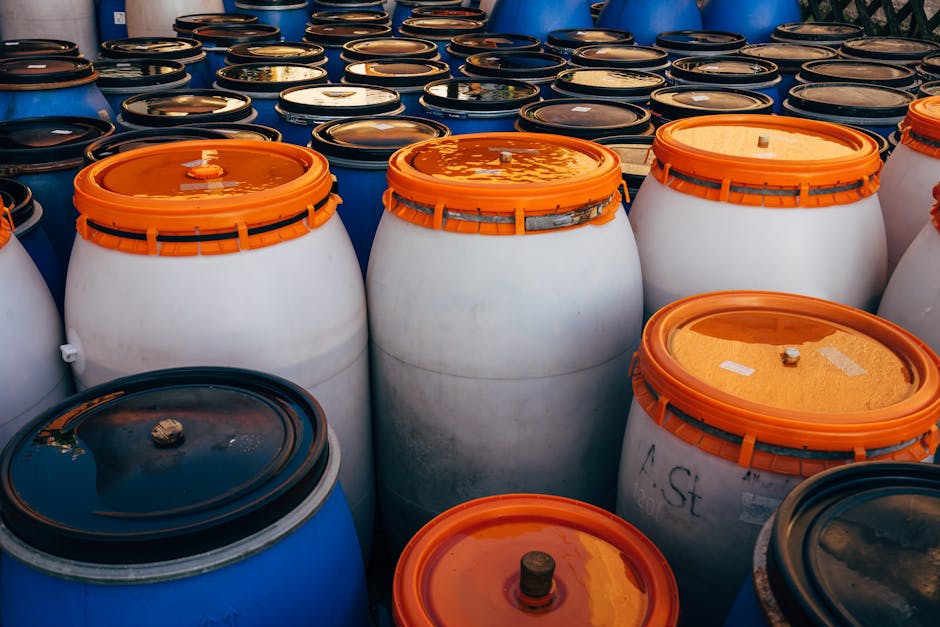
If you have ever stared at a half-full drum of old paint, a leaking battery, or a box of chemical cleaners and thought, "Right then, what am I actually supposed to do with this?", you are in the right place. Licensed hazardous waste pickup rules for Kensington are not just about ticking a compliance box. They are about protecting people, keeping buildings safe, and making sure dangerous materials are handled the right way from the start.
In a busy part of London like Kensington, hazardous waste can show up in homes, flats, offices, basements, garages, and renovation projects. The challenge is not only identifying it, but arranging a collection that is properly licensed, documented, and suited to the type of waste involved. This guide explains how it works in plain English, what to ask before booking, and how to avoid the mistakes that cause delays, extra charges, or worse.
To help you get a clear picture quickly, this article covers the rules, the process, the risks, the practical checks, and a realistic example from a typical Kensington clearance job. No jargon for the sake of it. Just the details that matter.
Why Licensed Hazardous Waste Pickup Rules for Kensington Matters
Hazardous waste is not the kind of thing you want sitting around "just for now". A forgotten tin, an old fluorescent tube, or a container of solvent can become a real issue if it leaks, breaks, or gets mixed in with ordinary rubbish. In dense residential and commercial areas, that risk is magnified because bins, communal spaces, shared stairwells, and storage areas are often close together.
That is why the licensed part matters. A lawful hazardous waste pickup is not simply a vehicle arriving and taking things away. The collector should be authorised to carry the relevant waste type, understand how to handle it, and follow the right transfer and disposal steps. If the paperwork is missing or the waste is incorrectly described, the load can be refused or delayed. Nobody wants that on a rainy Wednesday when the lift is already out of order. Painful, really.
There is also a duty-of-care angle. In the UK, waste producers are expected to take reasonable steps to ensure waste is passed to a competent and authorised carrier. In practice, that means you should not hand hazardous items to the first skip-style service that turns up unless you have checked they are actually set up for it. In Kensington, where buildings can be mixed-use and access can be tight, that extra checking saves time and headaches.
One more thing people often overlook: hazardous waste pickup rules protect building managers, landlords, business owners, and residents too. If you arrange the wrong collection and something goes wrong later, the consequences rarely stop at the front door.
Expert summary: Licensed hazardous waste pickup is about safe containment, correct classification, proper transport, and traceable disposal. If one of those links breaks, the whole chain becomes risky.
How Licensed Hazardous Waste Pickup Rules for Kensington Works
The process usually starts with identifying what you have. That sounds obvious, but it is the point where many jobs go sideways. Hazardous waste is not one single category. It can include paints, oils, solvents, batteries, aerosols, cleaning chemicals, asbestos-related materials, contaminated absorbents, fluorescent tubes, electrical items with hazardous components, and more. Some items are clearly hazardous. Others only become so because of contamination or how they were stored.
Once the waste type is known, the next step is to decide whether it needs separate handling. A mixed pile is often a problem. For example, old paint tins mixed with broken glass and garden waste may seem harmless enough, but it is messier to classify and can complicate the pickup. Separating items in advance usually makes collection easier and safer.
The licensed carrier then arranges the collection method. For many jobs, that means a planned pickup with a suitable vehicle and trained crew. For small domestic jobs, the service may be simple and quick. For larger or more complex clearances, it may involve a site visit, a detailed list of items, and a discussion about access, parking, and timing. In Kensington, access is often a live issue: narrow streets, controlled parking, stair-only properties, and shared entrances can all affect the plan.
On arrival, the collector should verify the waste, load it safely, and keep records as required. Depending on the material, you may receive paperwork confirming transfer. That paperwork matters. It is your evidence that the waste was handled by an appropriate party rather than disappearing into a black hole of uncertainty.
After collection, the waste should go to the correct treatment, transfer, recycling, or disposal route. You do not usually see this final stage, but it is where the real compliance work happens. If you are already organising a wider clearance, it can help to coordinate the hazardous items alongside your normal waste removal, rather than treating them as an afterthought.
Key Benefits and Practical Advantages
The obvious benefit is safety, but there is more to it than that.
- Reduced risk of spills and exposure: Proper handling keeps dangerous materials away from people, pets, and shared spaces.
- Compliance peace of mind: You are less likely to face issues if the waste is transferred and documented correctly.
- Cleaner site conditions: Hazardous items removed early make the rest of the clearance simpler and less stressful.
- Better planning: Once dangerous waste is identified separately, the rest of the job can be organised with more confidence.
- Lower chance of rejected loads: Good classification and packaging reduce collection problems.
There is also a practical advantage that often gets ignored: time. If you are dealing with a renovation, tenancy change, or office move, hazardous waste can become a bottleneck. A single container of solvent or a pile of old tubes can hold up a full clearance if nobody has planned for it. Getting the right pickup early means the rest of the job can move along smoothly. Simple, but effective.
For landlords and property managers, there is a reputational benefit too. Tenants notice when a site is tidy, safe, and handled properly. A hasty, messy removal is the sort of thing people remember. A careful one? Usually not. Which is exactly the point.
Who This Is For and When It Makes Sense
This topic matters to more people than you might expect. Yes, it is relevant to businesses with regular waste streams, but it also applies to households, flat owners, landlords, tradespeople, and anyone cleaning out storage spaces where old chemicals lurk in the back corner.
You may need licensed hazardous waste pickup rules in Kensington if you are:
- clearing a home or flat with old household chemicals
- removing paint, varnish, adhesives, or thinners after decorating
- sorting out batteries, fluorescent tubes, or damaged electricals
- closing or relocating an office with cleaning supplies and equipment
- managing waste from a small building or refurbishment project
- emptying a garage, loft, or basement where forgotten containers have built up
- dealing with waste from a commercial premises that includes hazardous components
It makes sense whenever the items involved are not safe for standard domestic bins or ordinary commercial rubbish collection. If you are unsure, that uncertainty itself is a sign to pause and check. Better ten minutes of checking than one very awkward pickup later. I have seen people keep saying, "It should be fine," right up until the collector refuses half the pile.
It is also worth noting that not every clearance needs a specialist hazardous response. Sometimes only one part of the load is hazardous, and the rest can be handled through a normal service such as waste removal or a property-specific clearance like house clearance, office clearance, or garage clearance. The key is separating what needs special handling from what does not.
Step-by-Step Guidance
If you want the process to go smoothly, a methodical approach works best. Here is a straightforward way to handle it.
- Identify the items. Make a list of the suspected hazardous materials. Do not guess wildly, but do not ignore unlabeled containers either.
- Separate them from general waste. Keep them in a secure, stable area away from heat, children, pets, and everyday rubbish.
- Check condition and packaging. Leaking, damaged, or badly stored items need extra care. If anything is unstable, mention that upfront.
- Describe the waste clearly. Be specific about quantity, container type, and any visible labels. "A few chemicals" is not enough.
- Ask about licensing and handling. Confirm the carrier is authorised for the relevant waste stream and can issue the right paperwork where needed.
- Plan the access. In Kensington, this may include parking, loading space, concierge access, lift availability, or narrow stairwells.
- Arrange the collection time. Pick a slot that gives you enough time to prep the waste properly. Rushing is where mistakes creep in.
- Keep records. Hold on to any transfer paperwork, booking details, and notes about what was collected.
If the job is part of a larger property clear-out, it can help to bundle the non-hazardous items into the right service stream. For instance, mixed household items may be removed as part of home clearance, while a larger rental reset may sit better under flat clearance. That way the hazardous items are isolated and the rest of the job keeps moving.
A small but useful tip: photograph the items before collection. Not because anyone expects drama, but because a quick photo helps if there is confusion later about what was present. It takes thirty seconds and can save a very dull phone call.
Expert Tips for Better Results
There are a few habits that make a surprising difference.
Label everything you can. If you can still see the product name, keep it visible. Do not peel labels off for neatness. A messy label is better than no label at all.
Never mix incompatible waste. This is a classic error. Some chemicals should not be stored or transported together. Even if they are both "just old stuff," treat them as separate until you know better.
Do not overpack containers. Loose, unstable loads are harder to handle and more likely to spill. Keep things closed, upright, and stable.
Tell the full story. If the waste came from a refurbishment, recent flood, or long-term storage in a damp basement, say so. Those details matter.
Think about timing. Early morning pickups can be handy in a place like Kensington because the roads are calmer and access is often easier. On the other hand, if you need more time to clear a room safely, later slots can be better. Depends on the day, really.
Use the right support page for the wider job. If the hazardous waste is part of a bigger business cleanup, look at business waste removal or, for commercial premises, the more targeted office clearance option. For project debris around a renovation, builders waste clearance may be relevant alongside the specialist pickup.
A lot of people try to solve everything in one go and end up making the whole task harder. Split the work sensibly. That is usually the smart move.
Common Mistakes to Avoid
Most problems come from a handful of avoidable errors.
- Leaving identification until collection day: If nobody knows what the waste is, the job slows down fast.
- Putting hazardous and non-hazardous waste together: It may seem efficient, but it often causes sorting delays or extra handling.
- Assuming every collector can take everything: Not all services cover the same waste streams.
- Failing to mention leaks or damage: This is a safety issue, not a minor detail.
- Ignoring access issues: A van cannot magically appear where parking is restricted or a lift is too small.
- Throwing away records: Keep the paperwork. You may need it later.
Another common slip is treating hazardous waste as if it were ordinary clutter. It is easy to do when you are busy. You are staring at a box room or an understairs cupboard and thinking only about finishing the job. But dangerous waste deserves its own step. No shortcuts there.
And one more thing: do not rely on vague memory. "I think those were old batteries" is not the same as a clear description. If you are uncertain, say so. Honesty beats guesswork every time.
Tools, Resources and Recommendations
You do not need specialist equipment for every small job, but a few basic tools can help.
- Gloves: Useful when handling containers, especially if surfaces are dusty or grimy.
- Sturdy boxes or trays: Help keep small items grouped and upright.
- Labels or marker pens: Handy for marking containers that have lost their original packaging.
- Camera phone: Great for photos of items, labels, and the state of the storage area.
- Plastic sheeting or absorbent material: Useful if you are moving minor spill-prone items, though anything serious should be treated with caution and reported.
For a broader property project, it can also be useful to look at services that support the clean-up around the hazardous items. For example, a property that is being fully emptied may benefit from loft clearance, furniture clearance, or furniture disposal. That keeps the hazardous component separate while the rest of the clearance stays organised.
If you want to understand how a provider approaches safety and handling, the company's own health and safety policy, insurance and safety information, and recycling and sustainability page can also be useful reads. They help you judge whether the service feels methodical or a bit loose around the edges.
Law, Compliance, Standards, or Best Practice
Without getting too legalistic, the main compliance principle is simple: hazardous waste must be stored, transferred, transported, and disposed of safely and by competent parties. In the UK, waste transfer and duty-of-care expectations place responsibility on the person producing or holding the waste to make sure it goes to an appropriate carrier. That means checking credentials, describing the waste accurately, and retaining records where applicable.
For hazardous items specifically, best practice usually includes:
- keeping waste clearly separated
- avoiding unlabelled or open containers where possible
- using appropriate packaging and secure loading methods
- providing honest, complete descriptions
- confirming the carrier is licensed for the waste type
- keeping transfer or collection documentation
Local conditions in Kensington can make best practice even more important. Shared entrances, tight loading windows, concierge rules, and conservation-style properties all increase the chance of a collection becoming awkward if the plan is vague. The more precise you are before the truck arrives, the smoother the day tends to go.
For businesses, the bar is usually higher in practice because there may be regular waste streams, staff safety concerns, and landlord or insurer expectations. If you are responsible for a workplace, getting compliant collection right is not optional. It is part of running the site responsibly.
Options, Methods, or Comparison Table
There are a few ways to handle hazardous waste, and the best option depends on volume, type, and urgency.
| Method | Best for | Pros | Watch-outs |
|---|---|---|---|
| Specialist licensed pickup | Mixed or clearly hazardous items, small to medium volumes | Safe, documented, convenient | Needs accurate description and access planning |
| Combined clearance with separate hazardous handling | Homes, flats, offices, and refurb projects with mixed waste | Efficient for larger jobs, keeps general waste moving | Requires careful sorting and coordination |
| Phased removal | Properties with limited access or ongoing works | Flexible and less disruptive | Can take longer overall |
In many Kensington situations, a combined approach works well. The hazardous items get a specialist response, while the rest of the property is cleared through normal channels. That is often the least stressful route, especially if you are juggling tenants, trades, or moving dates.
If you are arranging a larger family property clearance, services such as house clearance or home clearance may be the natural backbone of the job, with hazardous materials pulled out and dealt with separately. It sounds obvious, but this separation is exactly what keeps the whole thing under control.
Case Study or Real-World Example
Picture a fairly ordinary Kensington flat after a long tenancy. There is some furniture to remove, a bit of general clutter in the hall cupboard, and one troublesome box under the sink containing old cleaning fluids, a couple of aerosol cans, and a leaking bottle of solvent. Nothing dramatic. Just the kind of thing people put off because it looks like a faff.
In that situation, the first sensible move is to isolate the hazardous items, photograph them, and keep them upright in a safe place away from the rest of the clearance. The non-hazardous part of the job can be handled through a normal flat clearance plan, while the chemicals are described separately for compliant pickup. The collector arrives with the right setup, checks the items, and takes them under the correct process rather than bundling them in with ordinary rubbish.
What made the difference? Clarity. The tenant knew not to mix items, the booking was honest about what was there, and the access details were shared early. No panic, no last-minute surprise, no awkward "we can't take that" moment in the doorway. That is what a well-managed hazardous pickup looks like in real life: boring in the best way.
Practical Checklist
Use this checklist before arranging collection:
- Have you identified every suspicious or potentially dangerous item?
- Are the hazardous items separated from general waste?
- Are any containers leaking, broken, or unstable?
- Have you taken photos of labels and contents where possible?
- Have you described the waste clearly and honestly?
- Do you know whether access, parking, or lift restrictions apply?
- Have you checked the service is suitable for the waste type?
- Have you planned how the rest of the clearance will be handled?
- Will you keep any transfer or collection paperwork?
- Have you told other people on site about the area being kept clear?
If you can tick those off, you are already ahead of most rushed collections. Not perfect, perhaps. But very solid.
Conclusion
Licensed hazardous waste pickup rules for Kensington are really about doing the careful thing before a small problem becomes a messy one. Once you separate the waste, describe it properly, and use a licensed collector who understands the process, the whole job becomes more manageable. That matters whether you are dealing with a single container of chemicals in a flat or a bigger clearance in an office, garage, loft, or renovation site.
Truth be told, people often worry the process will be complicated. Sometimes it is a bit fiddly, yes. But most of the stress disappears when you know what you have, keep it separate, and book the right service for the job. That is the real win here: not just getting rid of hazardous waste, but doing it in a way that leaves the place safer and your mind quieter.
Get a free quote today and see how much you can save.
If you would like to learn more about the team behind the service, you can also read the about us page or explore the pricing and quotes information before you book. And if you need to get in touch, the contact us page is there when you are ready.
Frequently Asked Questions
What counts as hazardous waste in a Kensington property?
Hazardous waste can include paints, solvents, oils, batteries, aerosols, fluorescent tubes, contaminated cleaning products, and other items that may pose a risk if handled like ordinary rubbish. Some electrical items can also fall into this category depending on their condition and contents.
Do I need a licensed collector for small amounts of hazardous waste?
Usually, yes, if the waste type requires specialist handling. Even small amounts can be risky if they leak, react, or are mixed with general waste. The safer route is to confirm that the collector is authorised for that waste stream.
Can I put hazardous waste in my normal household bins?
No, not if it is classed as hazardous or could contaminate other waste. Household bins are not designed for chemicals, pressurised containers, or items that need special transport and treatment.
How should I store hazardous waste before pickup?
Keep it separate, upright, and as secure as possible. Avoid heat, moisture, and busy areas. If containers are damaged or leaking, mention that in the booking so the collection can be planned properly.
What information should I give when booking a pickup?
Describe the items as clearly as you can, including approximate quantities, packaging, labels, leaks, and access details. The more precise you are, the easier it is for the collector to bring the right setup.
Is hazardous waste pickup different for offices and homes?
Yes, mainly because offices may have repeated waste streams, different compliance expectations, and more complex site access. Homes usually have smaller volumes, but the same care with classification and handling still applies.
What if I am not sure whether something is hazardous?
Do not guess if you can avoid it. Keep the item separate, describe it honestly, and ask for guidance before collection. A cautious approach is much better than mixing it into the wrong pile.
Can hazardous waste be collected with furniture or household clutter?
Sometimes the same visit can cover multiple waste types, but hazardous items should be identified and treated separately. For example, furniture or general clutter may be removed through furniture clearance or home clearance, while chemicals and other dangerous items need a different process.
Do I need paperwork after a hazardous waste collection?
In many cases, yes. Documentation helps show that the waste was transferred appropriately. Keep any collection notes or transfer records in case you need them later.
How far in advance should I book a hazardous waste pickup in Kensington?
It depends on the amount, type, and access conditions, but booking early is wise. Kensington streets and buildings can be fiddly at the best of times, and a little lead time makes planning much smoother.
What are the biggest mistakes people make with hazardous waste?
The most common errors are mixing hazardous and non-hazardous items, failing to check whether the carrier is licensed, and giving vague descriptions. Those three alone cause a surprising amount of trouble.
Can a licensed hazardous waste pickup be part of a bigger clearance?
Absolutely. That is often the most efficient approach. The hazardous items are separated and handled correctly, while the rest of the property can be cleared through the most suitable service, such as office clearance, flat clearance, garage clearance, or builders waste clearance.