Kensington Recycling Routes: What Actually Gets Reused
If you have ever stood in front of a pile of unwanted stuff and wondered, "Will this actually get reused, or is it just being moved elsewhere?", you are not alone. Kensington Recycling Routes: What Actually Gets Reused is one of those topics that sounds simple until you start sorting a box room, a flat clearance, or the aftermath of a move and realise not everything belongs in the same stream. Some items are reused straight away. Some are broken down for materials. Some are rejected because they are contaminated, damaged, or just not suitable. Truth be told, that middle bit is where most people get confused.
This guide explains the route your items can take, what typically gets reused in Kensington, why it matters, and how to improve the chances that usable items actually stay in circulation. You will also find practical steps, common mistakes, a comparison table, and a realistic checklist you can use before booking a clearance or sorting things out yourself.
Why Kensington Recycling Routes: What Actually Gets Reused Matters
Let's face it: the word "recycling" is used so broadly that it can hide a lot of different outcomes. In real life, items from a Kensington clearance do not all travel the same route. One chair may be reused in a flat within days. Another may be stripped for wood and metal. A third, sadly, may be too damaged to recover and ends up as waste. Understanding that difference matters because it helps you make better decisions before collection day.
In a dense area like Kensington, where space is tight and many households are dealing with flats, basements, lofts, offices, and mixed-use buildings, the distinction between reuse, recycling, and disposal is not academic. It affects cost, sorting effort, environmental impact, and sometimes even timing. If you already know which items have a realistic second life, you can separate them earlier and avoid clogging up the process with junk that should never have been mixed in.
There is also a practical side. Items that can be reused usually keep more value than items that are simply broken down. That can make a clearance smoother and, in some cases, more efficient overall. A tidy pile of usable furniture, appliances, books, or household goods is much easier to assess than a mixed heap of damaged, damp, or contaminated items. No surprise there, but it is worth saying plainly.
And there is a human side too. We have all seen that one perfectly decent table left outside because no one had time to think it through. On a drizzly London morning, it sits there getting wetter by the hour. That is how reuse opportunities disappear. Quite quickly, actually.
Expert summary: The more clearly you sort reusable items from waste, the better your chances of keeping them in circulation, reducing disposal volume, and making the whole clearance process more efficient.
How Kensington Recycling Routes: What Actually Gets Reused Works
The route is usually simpler than people imagine, but there are a few stages. In broad terms, items are assessed, separated, and sent to the most suitable destination. If they are in good condition and useful, they may be prepared for direct reuse. If they are not suitable for reuse but still have recoverable material, they may move into a recycling stream. If neither option is realistic, they are treated as residual waste.
In practical terms, a typical route might look like this:
- Initial sorting - usable items are identified first, often by condition, safety, and demand.
- Quality check - items are inspected for damage, missing parts, moisture, stains, or contamination.
- Separation by material or use - furniture, metals, cardboard, textiles, electricals, and general waste are split up.
- Direct reuse or onward routing - items suitable for another home, office, or project are passed on.
- Material recovery - items that cannot be reused may still be processed for wood, metal, paper, plastic, or other recyclable components.
What actually gets reused? Usually the items that are sturdy, clean, complete, and easy to move on. In our experience, that means furniture in decent condition, some homeware, office chairs, shelving, boxed items, and occasionally electrical goods if they are safe and working. The phrase "in decent condition" does a lot of heavy lifting here. If something smells damp, has visible mould, or is wobbling like it has had a rough week, reuse becomes much less likely.
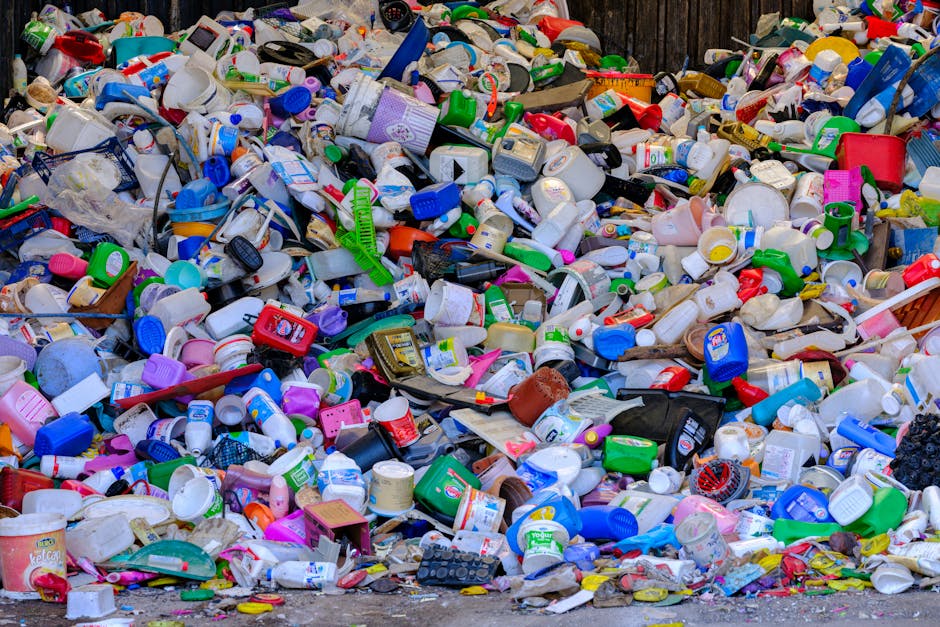
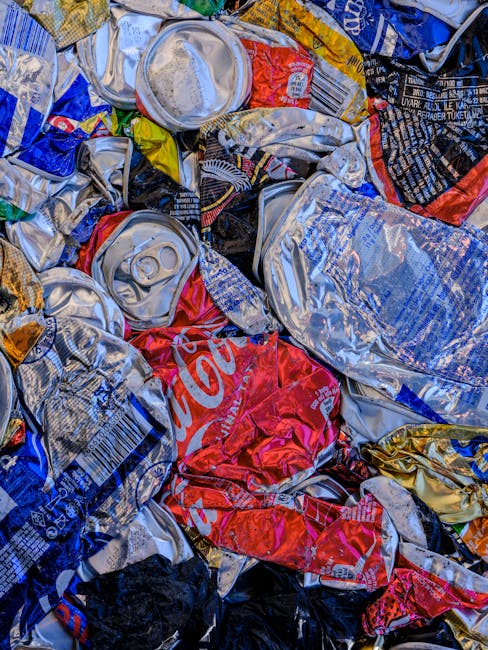
It also helps to understand that not all "recycled" items are reused as the same product. A cardboard box may become another paper-based material. Metal can be melted down and made into something else entirely. That is still useful, of course, but it is not the same as a sofa getting another life in a new home. People often mix those outcomes up, and fair enough, the language is messy.
If you want to understand the wider service landscape around collections and disposal in the area, the main waste removal page gives useful context on how items are handled as part of a broader clearance route.
Key Benefits and Practical Advantages
There is more to this than sounding environmentally responsible. Reuse-first thinking has some genuinely practical upsides, especially in a place like Kensington where access, timing, and storage space are often limited.
- Less waste goes to disposal - items that can be reused do not need to be treated as rubbish.
- Better value from clearances - reusable goods often represent the most efficient part of a collection.
- Cleaner sorting on the day - separating reusable items in advance makes the job faster and less stressful.
- Lower contamination risk - keeping clean, usable items away from damaged waste helps preserve quality.
- More responsible outcomes - the best route is usually the one that keeps things in use for longer.
There is a quieter benefit too: peace of mind. When you know the likely route for each item, you stop second-guessing yourself. That matters during a house move, a tenancy change, or an office clear-out when everyone is already under pressure. You do not need more noise. You need a clean plan.
For anyone looking at larger domestic clearances, the broader house clearance service can be a useful option when the goal is to separate reusable contents from the rest of the property efficiently. The same logic applies to a smaller flat clearance, especially where lift access, stairs, or narrow hallways make time and handling a little more complicated.
Who This Is For and When It Makes Sense
This topic is relevant to a wider group than you might expect. If you are clearing a single flat, emptying a family home, handling a shop refit, or managing office surplus, you are likely dealing with a mix of items that could be reused, recycled, or disposed of.
It makes particular sense for:
- Homeowners reducing clutter before a move
- Tenants leaving a property and trying to avoid wasteful disposal
- Landlords preparing a flat for re-let
- Office managers clearing furniture and equipment
- Shops and hospitality venues replacing stock, fittings, or fixtures
- People dealing with lofts, garages, or storage rooms full of mixed items
Some situations are especially suited to a reuse-first approach. A loft clearance, for example, often uncovers usable furniture, boxed household items, and stored goods that have been left alone for years. If they are dry and intact, you may be surprised by what still has value. The same goes for an office where desks, chairs, and cabinets were replaced for aesthetic reasons rather than because they were broken.
On the other hand, if items have been exposed to water, heavy dust, pests, or structural damage, reuse may not be realistic. That does not mean everything is lost, but it does mean expectations should be adjusted. Better to be honest at the start than to assume a sofa can be saved just because it looks alright from across the room.
For commercial settings, especially around retail or office space, the office clearance and business waste removal pages are useful references when you need to balance speed, reuse, and compliance.
Step-by-Step Guidance
If you want the best outcome, a bit of preparation goes a long way. Here is a simple process that works well in practice.
1. Separate reusable items early
Make a first pass and pull out anything that is still clean, complete, and structurally sound. Furniture, shelves, small appliances, boxed homeware, and office equipment often belong in this group. Keep an eye out for missing parts, broken handles, or visible damage. Small faults matter more than people think.
2. Check condition honestly
Ask yourself whether someone else would reasonably pay to use the item tomorrow. That is a blunt test, but a useful one. If the answer is no, it may still be recyclable, just not reusable. A scratched table might be acceptable. A water-damaged mattress probably not.
3. Clean items where practical
You do not need to make everything showroom-ready. But wiping surfaces, removing loose dirt, and emptying drawers can improve the chance of reuse. A dusty chair is easier to accept than one that is visibly grimy or smells stale. Tiny effort, often big result.
4. Group by type
Keep furniture with furniture, electricals with electricals, and cardboard with cardboard. This saves time on site and helps identify the route faster. If your items are all tangled together, the best pieces can get overlooked. That is frustrating, and totally avoidable.
5. Flag anything special
Some items need extra care. That might include fragile pieces, awkward oversized furniture, items with batteries, or anything potentially hazardous. If something is unusual, say so early. It saves everyone a headache.
6. Decide what should be reused, recycled, or removed
Not every item needs a second life. Some should be passed on; others should be recycled for materials; others should simply go. The goal is not to force reuse. The goal is to choose the best route for each item, which is a different thing entirely.
Expert Tips for Better Results
Here are the little things that make a surprisingly big difference. They may sound obvious, but they are often the difference between a smooth route and a messy one.
- Keep items dry. Moisture is one of the fastest ways to ruin reuse potential, especially for fabric, wood, and cardboard.
- Leave pieces assembled if they are stable. If a wardrobe is already in one piece and can move safely, do not dismantle it for no reason.
- Bundle matching items. A set of four chairs or a stack of identical boxes is easier to assess than scattered singles.
- Be realistic about age and wear. Age alone does not kill reuse, but wear does.
- Ask about the likely route in advance. A quick conversation can save a lot of guesswork.
One thing people often overlook is odour. It sounds minor, but it matters. If an item has absorbed smoke, damp, food residue, or pet smells, its reuse chances fall fast. Even if it looks okay, the smell tells a different story. The same goes for upholstery that has been stored in a basement for too long. You know the smell when you open the door. Not ideal.
Another practical tip: do your sorting before the collection team arrives, not while they are waiting at the front door or on the pavement. It sounds obvious, but under pressure people suddenly become very generous with the word "usable". A quick pre-sort keeps the day calmer.
For an added layer of confidence, review the company's general standards too, such as health and safety policy and insurance and safety information. That kind of detail matters when items are heavy, awkward, or being carried from upper floors in older Kensington buildings.
Common Mistakes to Avoid
Most mistakes are understandable. People are busy, and clear-outs happen under pressure. Still, a few habits cause repeated problems.
- Mixing reusable and contaminated items together. Once clean goods have been spoiled by dirt, mould, or liquid damage, the reuse route becomes harder.
- Assuming every old item is recyclable. Recycling is not magic. Some items are too damaged, mixed-material, or hazardous to be handled easily.
- Leaving batteries or electronics unmarked. These need attention because they may require separate handling.
- Overestimating value. If something is heavily worn or incomplete, it may not be reusable even if it once was.
- Not measuring large items. In tight Kensington stairwells, size matters. A sofa that cannot get out safely may change the route completely.
There is also the classic mistake of waiting until the last minute and then hoping the clearance crew can "just sort it on the day". They can help, yes. But the more thought you put in beforehand, the better the end result tends to be. Simple as that.
If you want to avoid hassle around awkward items or mixed loads, the site's furniture clearance and furniture disposal pages are useful to compare the different outcomes for items that are still reusable versus those that are beyond that point.
Tools, Resources and Recommendations
You do not need specialist equipment to make better choices, but a few practical tools help enormously.
- Sticky labels or masking tape for marking reusable items
- Basic measuring tape for checking access and large furniture
- Phone photos to record what is going and what is staying
- Cleaning wipes or cloths for a quick surface tidy
- Boxes or bags to keep smaller reusable goods together
For a broader look at disposal and reuse-minded planning, the company's recycling and sustainability page is a sensible place to start. It helps frame the bigger picture without losing sight of practical collection realities.
If you are comparing collection types, the pricing and quotes page can also help you think through what sort of service fits the scale of the job. Reuse-friendly clearances often become easier to price when the contents are well described. No drama, no surprises, everyone happier.
Law, Compliance, Standards, or Best Practice
This is where a careful tone matters. Disposal and recycling in the UK sit within a wider framework of waste handling duties, safe transport, and responsible sorting. The exact requirements can vary depending on the type of item, the condition it is in, and whether it is household, commercial, or potentially hazardous waste.
Best practice usually includes:
- Using a licensed and responsible collection route where appropriate
- Keeping hazardous or specialist items separate
- Not mixing clean reusable goods with contaminated waste
- Following safe handling methods for bulky or heavy items
- Being honest about the contents so the right route can be chosen
If you are dealing with items that may fall into a special category, such as chemicals, batteries, or certain electricals, it is wise to seek clear guidance before moving them. The same applies to anything that may have mould, sharps, or contamination. Better safe than sorry, and that is not just a saying; it is how you avoid problems later.
For a local angle, people in Kensington often need to think about access restrictions, narrow streets, building rules, and timing around neighbours or managing agents. That is not a legal issue in itself, but it is a real operational one. A good route respects the building and the people in it. Quietly, efficiently, without making a scene.
If you are sorting a more complex load, especially one involving builders' leftovers or renovation debris, the builders waste clearance page may be useful. For mixed domestic waste and ongoing household clear-outs, home clearance can be a better fit.
Options, Methods, or Comparison Table
Here is a simple comparison of the main routes items can take. This is not a rigid rulebook, just a practical way to understand the difference between the options.
| Route | What usually qualifies | Main advantage | Typical limitation |
|---|---|---|---|
| Direct reuse | Clean, complete, working, and in good condition | Keeps the item in use with minimal processing | Only suitable for a smaller share of items |
| Recycling | Items that can be separated into material streams | Recovers raw materials or components | Not the same as the item being reused whole |
| Residual disposal | Damaged, contaminated, or non-recoverable items | Ensures unsuitable items are removed safely | Least efficient from a value and sustainability angle |
If you are deciding between options, ask a simple question: does this item still have a useful life as it is, or does it only make sense as material? That distinction usually tells you everything you need to know. Not always, but usually.
Case Study or Real-World Example
Imagine a Kensington flat clearance after a long tenancy. The flat contains a dining table, four chairs, a desk, two small shelving units, a lamp, some kitchenware, several cardboard boxes, and a tired armchair. Nothing dramatic. Just the kind of mixed, slightly rushed job many people recognise.
In the first pass, the table, chairs, desk, and shelving units are checked. The dining set is sturdy, the desk is clean, and the shelves are intact. Those are strong reuse candidates. The lamp works, so it may also be suitable once it is tested and cleaned. The kitchenware is mixed: some items are reusable, some are chipped, and the cardboard boxes are flattened for recycling if they are dry and clean.
The armchair is another story. It has sagging cushions and a faint smell of damp from being stored in the corner of a basement room. It may still contain recyclable components, but as a whole item it is not a reuse candidate. That is fine. Not every item needs saving, and pretending otherwise just slows the job down.
What changed the outcome here? Three things: early sorting, honest condition checks, and a clear separation between reusable contents and waste. Nothing fancy. Just good judgement and a little discipline. That is often enough.
Practical Checklist
Use this before any clearance or sorting session. It keeps things simple.
- Have I separated reusable items from damaged ones?
- Are the reusable items clean enough to inspect properly?
- Do any items need batteries removed or special handling?
- Are there any signs of mould, damp, pests, or strong odour?
- Have I measured large items against the available access route?
- Do I know which items are furniture, electricals, cardboard, textiles, or general waste?
- Have I flagged anything fragile, awkward, or potentially hazardous?
- Is the clearance team aware of the items most likely to be reused?
- Have I kept the best-condition pieces together, not scattered around the room?
- Am I being realistic about what can be reused versus what should be recycled or disposed of?
If you can tick most of those off, you are in good shape. If not, no panic. Just tighten up the sorting before collection day, even if it is only for twenty minutes. That little bit of effort pays off.
Conclusion
Kensington Recycling Routes: What Actually Gets Reused is really about making better decisions with the items already in front of you. Some things are perfect for another home or workplace. Some should be broken down for materials. Some need to go away entirely. The trick is knowing the difference early enough to act on it.
When you sort with reuse in mind, you reduce waste, keep useful items in circulation, and make the whole process calmer. You also avoid the common trap of treating every unwanted item as the same problem. They are not the same problem. Not by a long shot.
And if you are standing there now, looking at a room full of mixed bits and pieces, take a breath. Start with the clean, sturdy, obvious items. The rest becomes easier after that.
Get a free quote today and see how much you can save.
Sometimes the simplest route is the best one, and a little sorting today can make the next step feel much lighter.
Frequently Asked Questions
What items are most likely to be reused in Kensington?
Furniture in good condition, working small appliances, clean household goods, shelving, office chairs, and boxed items are often the strongest reuse candidates. The key factors are condition, cleanliness, and whether the item is still safe and usable.
Is reuse better than recycling?
Usually, yes, because direct reuse keeps the whole item in circulation with less processing. Recycling is still valuable, though, especially when reuse is not realistic. The best route depends on the item itself.
Can damaged furniture still be recycled?
Sometimes. If the item can be broken down into recoverable materials, it may still enter a recycling stream. But if it is contaminated, heavily damaged, or mixed with unsuitable materials, the options become more limited.
How do I know if an item is reusable?
A good test is whether someone else could reasonably use it tomorrow with no major repairs. If it is clean, stable, complete, and functional, the chances are better. If not, it may still be recyclable rather than reusable.
Do I need to clean items before collection?
Light cleaning helps. You do not need to scrub everything to perfection, but wiping surfaces and removing loose dirt can improve the chances of reuse. It also helps the team assess items more quickly.
What happens to items that cannot be reused?
They are usually assessed for recycling first. If they cannot be recycled safely or practically, they move to residual disposal. The exact route depends on the condition and material mix.
Are electrical items reused?
Some are, if they are working and safe. Others are routed differently because they need testing or specialist handling. Electrical items should always be treated carefully rather than assumed to be reusable.
Does a loft clearance usually include reusable items?
Often it does. Lofts tend to store furniture, boxes, household goods, and old equipment that may still be in decent condition. Dry, clean items are much more likely to be reused than items exposed to damp or dust.
What is the biggest mistake people make?
The biggest mistake is mixing reusable items with damaged or contaminated waste. Once clean goods are tainted, the reuse route gets harder. A little sorting at the start makes a big difference.
How should I prepare for a clearance if I want items reused?
Separate the best-condition items first, clean them lightly, group similar items together, and point out anything unusual. If you can measure bulky items and flag access issues too, even better. It saves time and protects the good stuff.
Is there a difference between recycling and reuse?
Yes. Reuse means the item is used again, usually in its current form. Recycling means it is processed into material that can be turned into something new. People often use the terms loosely, but the difference matters.
Can I ask for a reuse-focused clearance?
Yes, and you should if that is your goal. Being clear about which items you want assessed for reuse helps the clearance process run more smoothly. It also makes it easier to sort what should stay, what should be passed on, and what should be removed.
Contact the team if you want help planning a reuse-focused clearance or need a straightforward answer about what can stay in circulation and what cannot.