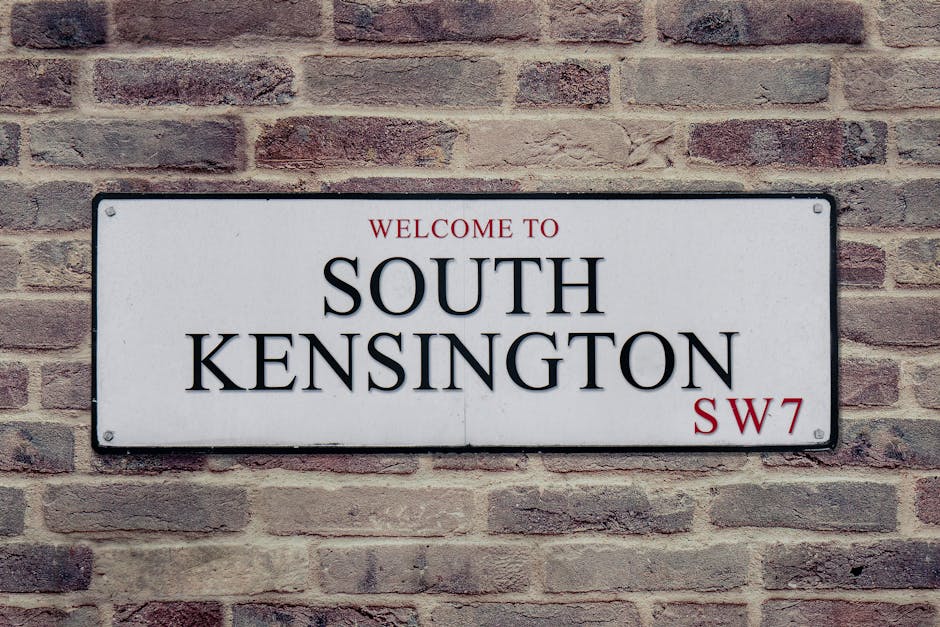
Kensington and Chelsea Council Rubbish Rules Explained
If you live, work, or manage a property in Kensington and Chelsea, rubbish rules can feel oddly specific at the worst possible time. One minute you're clearing a flat, the next you're wondering whether a broken chair, a bag of builder's rubble, or a stack of old office files can go out with the usual waste. This guide to Kensington and Chelsea Council Rubbish Rules Explained breaks everything down in plain English, so you know what to do, what to avoid, and when a professional clearance service may save you a headache.
Truth be told, most rubbish problems in London are not caused by huge mistakes. They happen because people are in a rush, assume a bin collection will take "just this once," or leave bulky waste outside hoping it will disappear by morning. It usually doesn't. Let's sort it properly.
Why Kensington and Chelsea Council Rubbish Rules Explained Matters
Rubbish rules matter because waste is one of those everyday things that can turn expensive and annoying very quickly if you get it wrong. In Kensington and Chelsea, where homes are often tightly packed, streets are busy, and space is limited, the rules are there to keep pavements clear, collections organised, and residents safe.
The practical side is simple: if you understand the rules, you reduce the chance of fly-tipping, missed collections, warning notices, and awkward conversations with neighbours or managing agents. You also avoid the classic London problem of leaving something "just for a moment" on the pavement and then finding it still there three days later. Not ideal, especially if it's raining.
There's also a cost angle. A badly planned clearance can mean repeat trips, wasted labour, storage issues, or penalties if waste is handled improperly. For landlords, business owners, and anyone managing a move-out, the stakes are even higher. Clean, compliant rubbish handling is not glamourous, but it is one of those invisible things that makes everything else run more smoothly.
How Kensington and Chelsea Council Rubbish Rules Explained Works
At a high level, the council's rubbish rules are designed to separate everyday household waste from bulky items, recycling, garden waste, and anything that needs special handling. The exact collection arrangements can vary by property type, street access, and waste stream, so the safest approach is to treat each type of rubbish differently rather than assuming one bin solves everything.
In practice, the main question is usually: what kind of waste is it? That answer determines whether it can go in regular household collections, needs a booked service, should go to a specific recycling route, or requires specialist removal. If you've ever tried to squeeze a dismantled wardrobe, old mattress, and bag of mixed junk into one corner, you'll know why the distinction matters.
A sensible way to think about it is this:
- General household waste is for everyday non-recyclable rubbish.
- Recycling should be kept separate wherever possible.
- Bulky waste usually needs separate handling or a dedicated collection.
- Builders' waste is not normal household rubbish and should be treated differently.
- Hazardous or specialist items need extra caution and should never be guessed at.
For businesses, landlords, and larger homes, a structured clearance plan is often easier than trying to fit everything around collection day. Services such as waste removal, home clearance, and office clearance can be useful when the waste is too much for standard routines.
Key Benefits and Practical Advantages
Getting the rules right gives you more than compliance. It makes the whole waste process calmer and more predictable. Small win? Absolutely. But a useful one.
Key benefits include:
- Less risk of fines or complaints caused by leaving waste out incorrectly.
- Cleaner shared spaces, especially in flats and converted buildings.
- Faster clear-outs because items are separated in advance.
- Better recycling outcomes when materials are sorted properly.
- Less stress for tenants and landlords during move-ins and move-outs.
- More efficient professional clearance if you use a removal team.
There's a quieter benefit too: when rubbish is managed properly, the property just feels better. You notice it in a hallway that smells fresher, in a kitchen that is finally usable, in a driveway that doesn't look like a temporary storage area. That sounds obvious, but these are the moments people remember.
If your situation involves older furniture, awkward storage spaces, or a full property clean-out, relevant services like furniture clearance, furniture disposal, house clearance, and flat clearance can make the job far more manageable.
Who This Is For and When It Makes Sense
This topic matters to more people than you might expect. It is not just for residents with overflowing bins. It also affects landlords, tenants, office managers, builders, letting agents, and anyone who has to deal with waste after a move, refurb, or big clear-out.
You will likely need this guidance if you are:
- moving out of a flat or maisonette;
- clearing a loft, garage, or spare room;
- removing old office furniture or archive waste;
- dealing with after-build rubbish;
- preparing a rental property for new tenants;
- sorting garden waste after a tidy-up;
- getting rid of bulky items that won't fit into normal bins.
It also makes sense if you simply do not have the time, vehicle access, or lifting help to move waste yourself. In Kensington and Chelsea, tight streets and parking restrictions can make a simple job feel like a logistics exercise. One van, one narrow road, and suddenly the whole afternoon disappears.
For those situations, specialist services such as garage clearance, loft clearance, garden clearance, and builders waste clearance can be more efficient than a piecemeal approach.
Step-by-Step Guidance
If you want to stay on the right side of the rules without overthinking every item, follow this straightforward process. It keeps things tidy and avoids last-minute stress.
- Identify the waste type. Separate general rubbish, recycling, bulky items, garden waste, and anything that may need special handling.
- Check whether it can be collected as normal waste. If it's an everyday bag of household rubbish, you may be fine. If it's large, sharp, heavy, or mixed, stop and reassess.
- Break items down where practical. Dismantling flat-pack furniture or folding cardboard makes a surprising difference. It's a bit tedious, yes, but worth it.
- Keep recyclables clean and separate. Dirty mixed loads are much less useful and can create avoidable waste.
- Book a specialist service when needed. If you've got bulky waste, office junk, or a whole-property clearance, using a reputable removal team can save time.
- Do not leave waste in the wrong place. Pavements, shared hallways, and communal entrances are all common trouble spots.
- Confirm the finish. Once the waste is gone, check the area is left safe, clean, and accessible for others.
That last step matters more than people think. A good clearance is not just about removal. It is about leaving the place usable afterwards. No stray screws, no broken glass, no half-open bin bags.
Expert Tips for Better Results
Here's where a little experience goes a long way. Small decisions at the start often save you the most time later.
- Sort before you lift. If you only sort once everything is already on the kerb, you've made the job harder for yourself.
- Photograph awkward items. This helps if you need a quote or want to check what can be taken.
- Bundle similar items together. Cardboard, wood, furniture, and mixed waste should not all be dumped into one vague pile.
- Watch access carefully. Staircases, narrow doors, and parking restrictions can matter as much as the waste itself.
- Keep fragile or hazardous pieces separate. Broken glass, solvents, or electronics should never be treated casually.
- Plan around busy days. If your street is hectic first thing in the morning, a later clearance may be more practical.
And yes, it helps to have gloves, a sturdy trolley, and decent bags. Not glamorous. Very useful. The humble moving strap has saved more backs than most people realise.
If you are comparing service levels or trying to understand what a proper job should include, the pages on pricing and quotes, recycling and sustainability, and insurance and safety are worth reviewing before you book anything.
Common Mistakes to Avoid
Most rubbish issues are avoidable. That is the slightly annoying truth. But it also means you can dodge them once you know the pattern.
- Leaving bulky items out without checking collection rules. This is the classic one. It seems harmless until it isn't.
- Mixing recycling with general waste. Once mixed, separation becomes harder and often less effective.
- Assuming all builders' waste is the same as household rubbish. It usually isn't.
- Putting items in communal areas "temporarily." Temporary has a habit of becoming permanent.
- Ignoring access and parking issues. In central London, this can derail a whole clearance.
- Forgetting duty of care. If you hand waste to the wrong person, you can still end up with problems later.
One of the most common mistakes in flats is leaving items beside the bin store because there is no room inside. The intention may be fine. The result, however, is usually an eyesore and a complaint. Shared buildings have their own rules, even when nobody says them out loud.
Another small but costly mistake? Booking the wrong type of clearance. A few office chairs is one thing. A full office strip-out is another. If the job sounds bigger than a quick lift-and-go, treat it that way.
Tools, Resources and Recommendations
You do not need a van-load of equipment to manage rubbish properly, but a few basic tools make life much easier.
- Heavy-duty rubble sacks for sturdy, manageable bagged waste.
- Gloves and closed-toe footwear to reduce cuts and slips.
- A hand truck or sack truck if you are moving heavy items.
- Labels or tape to mark recyclable, reusable, or fragile items.
- Basic measuring tape for bulky furniture or space planning.
- Phone camera for documenting the load and keeping a record.
For readers who prefer a done-for-you approach, a professional provider can be the simplest route. A service such as furniture clearance is useful when you need large items removed quickly, while business waste removal is more suitable for ongoing commercial waste. If you are dealing with a one-off property tidy-up, home clearance or office clearance may fit better.
It is also smart to read the company's policy pages before making a decision. That sounds boring, I know, but it tells you a lot about how seriously they take process, handling, and customer care. Start with about us, then glance at terms and conditions, health and safety policy, and complaints procedure if you want a clearer picture.
Law, Compliance, Standards, or Best Practice
When rubbish rules are discussed, the legal side can get thrown around in a vague way. Best to keep it simple and careful. In the UK, waste handling is expected to follow proper environmental and safety standards, and waste should not be passed on casually or dumped where it should not be.
For most residents, the key best-practice principles are:
- do not obstruct pavements or communal access routes;
- separate waste streams where possible;
- avoid leaving waste outside unless it is due for collection and permitted;
- use a responsible carrier for bulky or commercial waste;
- keep records or confirmation where a business or landlord has a duty to manage waste properly.
This is especially important for landlords, managing agents, builders, and businesses, because waste handling is not just a practical issue; it is a compliance issue too. If you are managing refurbishment waste or ongoing commercial waste, the standards are higher and the paper trail matters more.
In practice, that means choosing a provider with clear safety and payment processes, transparent terms, and a sensible recycling approach. The better the system, the less room there is for mess later. Quietly reassuring, really.
Options, Methods, or Comparison Table
There is no single "best" rubbish solution for every situation. The right option depends on how much waste you have, what it is made of, and how quickly it needs to go. Here is a practical comparison.
| Option | Best For | Pros | Limits |
|---|---|---|---|
| Normal household collection | Everyday bagged waste and routine recycling | Simple, familiar, low effort | Not suitable for bulky or specialist waste |
| Self-managed disposal | Small amounts of rubbish when you have time and transport | Flexible, can be cost-effective | Time-consuming, lifting and access can be awkward |
| Specialist clearance service | Bulky items, mixed loads, property clearances, business waste | Fast, convenient, often safer and more organised | Needs booking and clear communication about the load |
| Targeted clearance service | Specific areas such as garages, lofts, furniture, gardens, or builders' waste | Efficient for a defined job, easier to plan | Best when the waste type is clearly identified first |
If you are not sure which route to choose, ask a very practical question: what will take the least time, create the least disruption, and leave the property safest afterwards? That usually points you in the right direction.
Case Study or Real-World Example
Imagine a resident in a Chelsea flat clearing out after a tenancy ends. There is a broken wardrobe, several bags of mixed household waste, an old desk chair, and a few boxes of damp cardboard that have been sitting in the hallway for too long. Nothing dramatic. Just messy enough to become a problem.
If they try to tackle it one bag at a time, the hallway becomes cluttered, the lift is awkward, and the items are likely to end up split between several trips. That means more time, more lifting, and a greater chance of leaving something behind. Not fun on a wet Tuesday afternoon.
A better approach would be to sort the items into categories first, remove anything reusable, then arrange a suitable clearance route. In a case like this, a combination of flat clearance and furniture disposal would usually make more sense than trying to fit everything into standard bins. If the same resident were moving out of a larger family property, house clearance could be a better fit.
That is really the core lesson: once the waste type is clear, the solution becomes much clearer too. The stress drops. The place looks better sooner. And you get your space back, which is half the battle.
Practical Checklist
Use this quick checklist before you leave anything out or book a clearance.
- Have I identified what type of waste this is?
- Can it go in normal household waste or recycling?
- Is it bulky, heavy, sharp, or mixed?
- Does it need dismantling before removal?
- Have I checked access, stairs, lifts, and parking?
- Is anything hazardous or specialist in the pile?
- Have I separated reusable items from true waste?
- Do I need a professional service instead of doing it myself?
- Will the area be left clear and safe afterwards?
- Have I kept any important documents, keys, or personal items aside?
Practical summary: if the rubbish is small, sorted, and ordinary, normal disposal may be enough. If it is bulky, mixed, or part of a larger clearance, a structured service is usually less stressful and more reliable. Simple as that.
Get a free quote today and see how much you can save.
Conclusion
Kensington and Chelsea Council rubbish rules are easier to deal with once you stop thinking of waste as one big category. In reality, each type of rubbish has its own logic. General waste, recycling, bulky items, garden debris, office clearance, and builders' waste all need slightly different handling. Once you see that clearly, the whole process becomes more manageable.
For most people, the best outcome is a balance of common sense, good sorting, and the right support when the job gets too large or too awkward to handle alone. That is especially true in London, where access, timing, and shared spaces can make even a small clearance feel bigger than it is.
If you take one thing away from this guide, let it be this: plan the waste first, and the rest becomes much easier. A tidy property, a clear pavement, and less hassle for everyone involved - that's a pretty good result, honestly.
And once the clutter's gone, you always notice how much lighter the place feels. That part never really gets old.
Frequently Asked Questions
What are the main Kensington and Chelsea Council rubbish rules I need to know?
The main idea is to separate everyday household waste from recycling, bulky items, garden waste, and specialist materials. Do not assume one bin or one collection type will cover everything.
Can I leave bulky rubbish on the pavement outside my property?
Usually not unless it has been arranged properly for collection and left in the correct way. Leaving bulky items out casually can cause obstruction or complaints, especially in shared streets and flats.
What counts as bulky waste in Kensington and Chelsea?
Bulky waste is generally anything too large or awkward for normal household bins. Think mattresses, wardrobes, sofas, broken furniture, and similar items that need special removal.
Can builders' rubble go out with normal household rubbish?
No, it should not be treated like normal household waste. Builders' waste is heavier, messier, and usually needs a separate clearance approach.
What should I do with old furniture I no longer want?
Old furniture should be assessed for reuse, donation, recycling, or disposal. If it is large or difficult to move, a specialist furniture clearance or furniture disposal service is often the easiest route.
Do the rubbish rules differ for flats and houses?
Yes, they often do in practice. Flats usually involve tighter access, communal bin areas, and stricter shared-space expectations, while houses may have more direct collection options but still need proper sorting.
What happens if I mix recycling with general rubbish?
Mixed waste is harder to process and may reduce what can be recycled. In some cases, it can also create avoidable collection issues or extra handling work.
Is it worth booking a professional clearance service?
If you have bulky items, limited time, awkward access, or a full property to clear, yes, it often is. A professional service can reduce lifting, save time, and help you avoid mistakes.
What if I am clearing a flat before a tenancy ends?
In that case, it is usually best to clear all waste, check communal spaces, and make sure nothing has been left behind in hallways, storage areas, or outside the building. A flat clearance service is often a sensible option.
How do I know whether waste is hazardous or needs special handling?
If something contains chemicals, sharp components, batteries, or unusual materials, treat it cautiously and do not mix it with general rubbish. When in doubt, keep it separate and seek advice from a responsible clearance provider.
Can businesses in Kensington and Chelsea use the same rubbish approach as households?
Usually not. Business waste should be handled more carefully, with stronger records and a clearer disposal plan. A dedicated business waste removal approach is generally more appropriate.
Where does loft, garage, or garden waste fit into the rules?
Those areas often produce mixed waste, old storage items, and bulky materials, so they need a more organised approach than standard bin disposal. Garage clearance, loft clearance, and garden clearance services can be a better fit than trying to do everything at once.