Disposing Damp-Damaged Furniture in Kensington Flats
Damp furniture has a way of turning a normal flat tidy-up into a bit of a headache. One day the sofa looks fine; the next, it smells musty, has swollen edges, or shows dark patches that make you wince. If you are dealing with Disposing Damp-Damaged Furniture in Kensington Flats, the challenge is not just getting rid of it. You also need to think about safety, access, building rules, and what should happen to the item once it leaves your home.
Kensington flats often come with narrow stairwells, tight hallways, shared entrances, and neighbours who would quite like the corridor to stay clear, thank you very much. That makes furniture disposal a little more involved than rolling something to the kerb. This guide walks you through the practical side of the process: what counts as damp damage, why it matters, how disposal usually works, and how to avoid the common mistakes that make a simple job more awkward than it needs to be.
Whether the problem came from a leak, condensation, floodwater, or a long spell of poor ventilation, you will find a sensible route through it here. No drama, no waffle. Just clear, useful guidance.
Table of Contents
- Why Disposing Damp-Damaged Furniture in Kensington Flats Matters
- How Disposing Damp-Damaged Furniture in Kensington Flats Works
- Key Benefits and Practical Advantages
- Who This Is For and When It Makes Sense
- Step-by-Step Guidance
- Expert Tips for Better Results
- Common Mistakes to Avoid
- Tools, Resources and Recommendations
- Law, Compliance, Standards, or Best Practice
- Options, Methods, or Comparison Table
- Case Study or Real-World Example
- Practical Checklist
- Conclusion
- Frequently Asked Questions
Why Disposing Damp-Damaged Furniture in Kensington Flats Matters
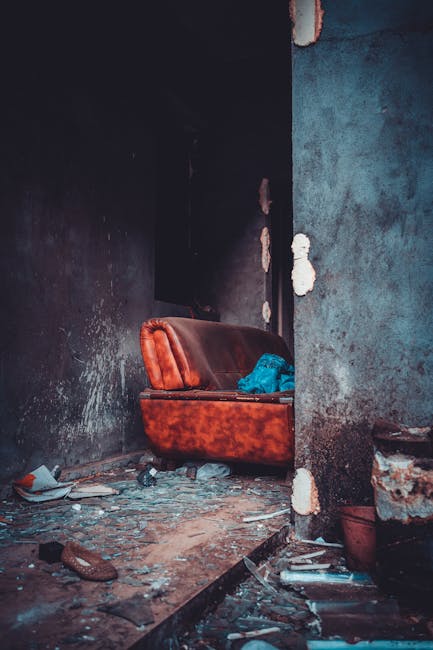
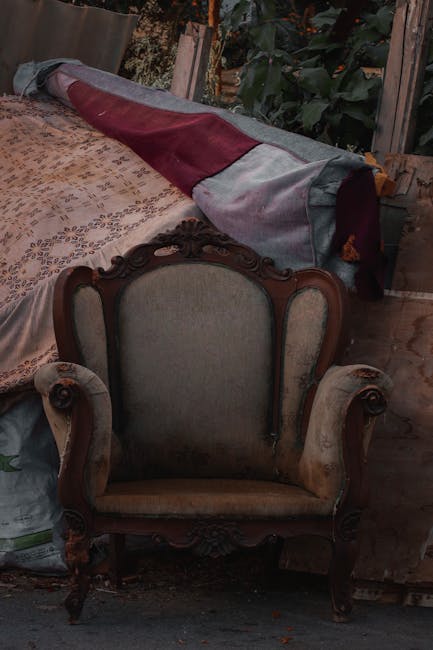
Damp-damaged furniture is not always obviously unsafe at first glance. A wardrobe may still stand upright. A dining chair may still support weight. But once moisture has seeped into wood, fabric, foam, or chipboard, the item can become weaker, smellier, and harder to clean than it looks. In some cases, mould begins to spread inside the material before it is visible on the surface. That is the part people miss.
In a flat, the stakes are a bit higher. Damp furniture can affect indoor air quality, attract pests, and create an unpleasant smell that hangs around longer than you want. If the item has been sitting in a corner after a leak, you may also notice staining on walls, skirting boards, or carpet nearby. The whole room can start to feel tired and a little heavy. Not ideal when you are just trying to live normally.
There is also the practical side. In Kensington, space is precious. Holding onto a damaged bed frame or sofa because you are unsure what to do with it often means losing valuable room in a flat that already feels compact. If the item has gone beyond repair, prompt removal is usually the sensible move.
Expert takeaway: if damp has reached the structure, stuffing, or internal frame of furniture, quick drying alone is often not enough. In many cases, removal is safer, cleaner, and cheaper than trying to rescue it.
For tenants, landlords, and managing agents, timely disposal matters for another reason too: it reduces the risk of complaints and helps the property return to a usable condition faster. A damp sofa left in a communal hallway? That tends to become everybody's problem, and nobody wants that.
How Disposing Damp-Damaged Furniture in Kensington Flats Works
The disposal process is usually straightforward, but the exact route depends on the furniture type, the amount of damage, and how easy the flat is to access. A small chair and a large sofa bed are not the same job, and it would be a bit silly to treat them as if they were.
In practice, the process usually starts with assessing whether the item can be safely moved. If the furniture is still stable, it can be taken out in one piece. If it is warped, mouldy, or breaking apart, it may need to be handled carefully or dismantled first. Damp upholstery can shed debris, so carrying it through a shared stairwell without protection is not a great idea.
From there, the item is either removed for responsible disposal, sent for recycling where possible, or sorted as bulky waste depending on its condition and the service arranged. Good operators will also consider whether other items in the same flat need clearing at the same time, especially after water ingress or a leak. If you are already dealing with one damaged piece, it often makes sense to review other affected items too.
For flats with tighter access, a pre-arranged collection is usually much smoother than trying to move things on the day without a plan. You will want to check lift access, stair width, parking, and whether the building has any rules about moving furniture through common areas. It sounds small. It is not small, though, when you are trying to wrestle a soggy armchair around a bannister at 8:30 in the morning.
If you are comparing disposal options, it can help to look at related services such as furniture disposal, furniture clearance, or even broader flat clearance if the damage has affected multiple rooms. For larger household situations, home clearance and house clearance may be more suitable. The right choice depends on scale, not just convenience.
Key Benefits and Practical Advantages
There is a practical reason people search for this topic: they want the job done without extra stress. Fair enough. Damp damage is already annoying enough on its own.
- Faster recovery after water damage: removing ruined items clears the way for drying, cleaning, and any repairs that need to happen next.
- Better hygiene: damp furniture can hold odours and mould spores, so removing it helps improve the feel of the space.
- Less visual clutter: once the damaged item is out, the room feels more manageable. That matters more than people expect.
- Reduced trip and fire risk: damaged or unstable furniture can become a nuisance in a flat, especially where space is tight.
- More efficient use of small spaces: in a Kensington flat, every square metre counts. Letting go of unusable furniture frees room quickly.
- Cleaner handover for tenants or landlords: if a tenancy is ending, clearing damaged items early can prevent last-minute panic.
There is also a quiet emotional benefit. Once the broken, damp-smelling thing is gone, people often feel they can breathe again. That might sound a bit dramatic, but it is true. A bad smell has a way of following you around the flat and getting on your nerves every time you walk past.
Who This Is For and When It Makes Sense
This kind of disposal is useful for a few different people. Tenants may need it after a leak, burst pipe, or condensation problem. Landlords may need to act quickly between tenancies or after a report of water damage. Letting agents may want a practical, predictable way to clear unusable items without upsetting neighbours or delaying a re-let.
It also makes sense for homeowners in converted buildings or mansion blocks, where water damage can spread in a way that is not immediately obvious. A mattress, sofa, or wardrobe that has been sitting against a cold wall through winter can become damp long before anyone notices. By the time you see the problem, the smell has usually already done the talking.
Businesses using residential flats for staff accommodation or short-term lets may also need a reliable disposal plan. In those cases, speed and discretion matter, and so does having a clear line between what can be cleaned and what really should go.
You should seriously consider disposal when:
- the furniture smells musty even after drying
- there is visible mould growth on fabric, wood, or inside joints
- the item has swollen, warped, or split
- the padding or stuffing has stayed wet for a long time
- the flat needs to be made ready for repair, cleaning, or inspection
If you are unsure, ask yourself a blunt question: would I be happy to put this back into a bedroom, lounge, or dining area and live with it? If the answer is no, that usually tells you enough.
Step-by-Step Guidance
Here is a sensible way to handle the job without overcomplicating it.
- Identify what is damaged. Check the item carefully. Look for swelling, mould patches, softness in the frame, odours, and hidden damp in cushions or seams.
- Separate salvageable items from unsalvageable ones. Some pieces may need cleaning and drying; others are beyond saving. Do not assume everything in the room is ruined.
- Protect yourself during handling. Wear gloves if the item is visibly mouldy or has an unpleasant residue. If the mould is extensive, avoid dragging it through the flat unnecessarily.
- Measure access routes. Stairwells, lifts, door frames, and tight turns matter. Kensington flats can be charming and slightly awkward in equal measure.
- Remove or prepare the item. If it is safe, dismantle large furniture into manageable sections. Keep screws and fittings together if there is any chance of reuse or recycling.
- Arrange a collection method. Choose a service that can handle bulky, damp, or damaged furniture and understands the logistics of flat access.
- Clear the route in advance. Move smaller items, mats, or anything fragile out of the way before the collection window. It saves time and a bit of stress.
- Check the final room condition. After removal, look for lingering dampness, hidden mould, or surfaces that still need drying and cleaning.
If the furniture is part of a larger clearance, it may be more efficient to combine the job with a wider service such as furniture clearance or waste removal. That can be especially useful after a leak affects more than one room.
Expert Tips for Better Results
Small decisions make a big difference here. In our experience, the people who have the smoothest clearance are the ones who think through access and condition before the day arrives.
Tip 1: Do not keep mouldy soft furnishings "just in case." Upholstered furniture is often the first thing to go once moisture gets in. If the smell stays after drying, it rarely improves on its own.
Tip 2: Separate wood from fabric where you can. A wooden frame may be recyclable even if the cushions are not. Mixed materials need a bit more thought, but that is manageable.
Tip 3: Take photos before disposal. This is handy for landlords, tenants, and insurers. Nothing fancy. Just enough to show condition and timing.
Tip 4: Check the building rules early. Some flats require advance notice for collections, especially if you need temporary parking or lift access.
Tip 5: Deal with the source of damp too. Removing the furniture helps, but if a leak or condensation issue is still active, the problem will come back. A bit obvious, yes, but it gets missed.
Tip 6: Don't let damaged furniture sit in a communal area. The smell travels. So does the inconvenience. Better to move it out of circulation quickly.
One small real-world observation: people often underestimate how awkward a soaked mattress can be. It bends badly, catches on corners, and seems to gain weight when you least want it to. A little planning saves a lot of swearing.
Common Mistakes to Avoid
These are the mistakes that tend to turn a straightforward clearance into a mess.
- Trying to dry everything and hoping for the best. If the internal structure is compromised, drying may not solve the issue.
- Leaving damp furniture in a closed flat for too long. The smell can spread to curtains, soft furnishings, and even stored clothes.
- Forgetting about shared access. A bulky item in a hallway can upset neighbours and create a safety issue.
- Mixing potentially reusable items with contaminated ones. This can make sorting harder later.
- Ignoring hidden damp inside cushions or drawers. Surface dryness is not the same as full dryness.
- Waiting until the last minute. If a tenancy check-out or repair visit is approaching, last-minute disposal adds unnecessary pressure.
There is also the temptation to cut up furniture without thinking about what is inside it. That can be fine in some cases, but if the item is mouldy or heavily contaminated, making more dust and debris is not the clever move. Safer to assess first.
Tools, Resources and Recommendations
You do not need a huge toolkit, but a few basic items help make the process smoother.
- Gloves: useful for handling dirty, damp, or mouldy surfaces.
- Dust sheets or old covers: helpful for protecting the route out of the flat.
- Measuring tape: worth having when checking doorways, lifts, and stair turns.
- Basic screwdriver or drill: useful if furniture needs dismantling before removal.
- Marker labels or bags for fittings: keep screws and brackets together if you are stripping items down.
For residents comparing wider property-clearing options, pages like flat clearance, furniture disposal, and recycling and sustainability can help you understand how a more structured clearance is usually handled. If you are dealing with a larger project, pricing and quotes is a practical next stop for planning costs and timing.
As a general recommendation, keep a simple note of what was removed, when it was removed, and why. It sounds modest, but it is useful if the issue comes back up later with a managing agent, insurer, or landlord.
Law, Compliance, Standards, or Best Practice
For damp-damaged furniture, the main compliance point is to dispose of waste responsibly and avoid creating unnecessary hazards for other residents. In the UK, bulky waste and household items should be handled in line with standard waste management expectations, and it is sensible to use a service that treats safety and lawful disposal seriously. You do not need to memorise legislation here, but you do need to avoid fly-tipping, unsafe storage, or blocking communal areas.
Best practice usually means keeping affected items out of circulation, separating reusable from non-reusable materials where possible, and ensuring anything with mould or contamination is handled carefully. If the furniture came from a property with significant damp, there may also be insurance, tenancy, or building-management considerations to document before removal.
If you are a landlord or managing agent, having a simple process helps. Photograph the damage, notify the relevant parties, and arrange removal once the item is clearly beyond repair. That is often enough to keep everyone on the same page.
It is also wise to work with providers that have clear health and safety policies and insurance and safety information available. For the reader, that is less about paperwork and more about peace of mind. If somebody is moving mouldy furniture down a staircase, you want the process handled carefully.
Options, Methods, or Comparison Table
There is no single right answer for every flat, but these are the most common routes people consider.
| Option | Best for | Pros | Watch out for |
|---|---|---|---|
| Keep and dry | Minor surface damp with no mould or structural damage | May save the item if caught early | Not suitable once smell, swelling, or mould has set in |
| Repair or re-upholster | Higher-value furniture with limited damage | Can preserve quality items | Usually not worth it for low-cost or heavily contaminated pieces |
| Hire a furniture clearance service | Bulky, awkward, or multiple damaged items | Simple, fast, and good for flat access challenges | Needs proper planning and accurate access details |
| Combine with full flat clearance | After leak damage affecting several rooms | Efficient and less disruptive overall | May be more than you need if only one item is affected |
In a Kensington flat, the "best" option often comes down to access and time. A single chair is one thing. A damp sofa, a broken wardrobe, and a wet mattress? That is a different story, and a broader clearance makes more sense.
Case Study or Real-World Example
Here is a realistic example. A tenant in a third-floor Kensington flat discovers a slow leak behind a bedroom wall. By the time it is fixed, a fabric armchair and a small bedside cabinet have absorbed enough moisture to smell stale and show dark spotting. The chair is soft at the base, and the cabinet has started to swell at the edges.
The first instinct is often to open the window and hope for the best. Fair enough, everyone does that. But after a few days, the odour is still there. The tenant measures the stairwell, realises the chair will not fit cleanly around the turn, and decides to arrange removal rather than try to drag it out alone.
The useful part of the process is simple: the damaged items are identified, photographed, and kept away from the bedroom doorway. The route to the front entrance is cleared, and the collection is booked with enough notice to check access. The result is a room that can be dried properly, repaired, and used again without that damp smell hanging around like an unwelcome guest.
Not glamorous, but very effective.
Practical Checklist
Use this before arranging disposal:
- Check whether the furniture is structurally sound or visibly warped
- Look for mould, stains, odour, or hidden damp in seams and undersides
- Separate salvageable items from items that should go
- Measure doorways, stair turns, and lift access
- Confirm any building or landlord access rules
- Clear the collection route in advance
- Photograph the damage if needed for records
- Decide whether a single-item collection or a broader clearance makes more sense
- Arrange follow-up cleaning or drying once the item is gone
- Check the room again for lingering moisture
If you can tick most of those off, you are already in good shape.
Conclusion
Disposing damp-damaged furniture in Kensington flats is rarely complicated in theory, but it does reward a calm, practical approach. The main job is to decide what can be saved, what should go, and how to move the item out without creating new problems in a shared building. Once you deal with the damaged piece properly, the flat feels lighter, cleaner, and much easier to sort out.
For many people, the real relief is not just getting rid of the furniture. It is getting rid of the uncertainty. That is often the hardest part, truth be told.
If you want a smoother route, compare the scale of the job with furniture clearance, flat clearance, or broader waste removal. Choosing the right level of help can save time, reduce stress, and keep the whole process nicely under control.
Get a free quote today and see how much you can save.
And if the flat has had a rough week, that is okay. One sensible decision at a time, and the place will come back to itself.
Frequently Asked Questions
Can damp-damaged furniture be cleaned instead of thrown away?
Sometimes, yes, but only if the damage is light and has not reached the internal structure. Surface damp, a minor spill, or brief moisture exposure may be manageable. Once mould, swelling, or a strong musty smell has set in, disposal is usually the better option.
What types of furniture are hardest to salvage after damp damage?
Upholstered items are usually the hardest to save because moisture can sit deep in the foam and fabric. Mattresses, sofas, and armchairs often hold smell and mould longer than hard furniture. Chipboard pieces can also fail quickly once they have swelled.
Is it safe to keep mouldy furniture in a flat for a few more days?
Usually not a good idea. Mouldy furniture can affect air quality and spread spores to nearby fabrics, walls, and storage items. If you must keep it temporarily, isolate it as much as possible and arrange removal promptly.
How do I know if a wardrobe or bed frame is beyond repair?
Look for swelling, soft spots, split joints, warping, or a persistent odour. If the item feels unstable or shows visible mould inside seams and joints, it is generally past the point where repair makes much sense.
Do I need to dismantle furniture before disposal in a Kensington flat?
Not always, but dismantling helps when access is tight. In many flats, doorways, stair turns, and narrow corridors make it easier to move furniture in sections. It can also reduce the risk of damage to walls and common areas.
What should I do first after finding damp damage?
First, identify the source of the damp if you can do so safely. Then separate affected items, photograph the damage if needed, and decide whether the furniture is salvageable. Once that is clear, arrange removal for anything that cannot be saved.
Can damp furniture be left outside for collection?
Only if it is allowed and safe to do so. In flats, communal areas and shared entrances should not be blocked. Leaving furniture outside without checking building rules can create problems with neighbours and management. Better to plan the removal properly.
What if only part of the furniture is wet?
Partial damp does not automatically mean the whole item is ruined, but it is a warning sign. Check the hidden areas, underside, and internal parts carefully. If the item is upholstered or made from absorbent materials, moisture often travels further than it looks.
Is furniture from a damp room recyclable?
Sometimes parts of it can be recycled, especially if the item can be separated into wood, metal, and fabric components. Heavily mouldy or contaminated items may have fewer recycling options. A proper assessment helps decide the best route.
How long does damp-damaged furniture disposal usually take?
That depends on the number of items, access to the flat, and whether dismantling is needed. A single item can be straightforward, while a larger clearance may take more planning. The access route is often the biggest time factor.
Should landlords keep records of damp-damaged furniture removal?
Yes, that is usually wise. Photos, dates, and a short note about why the item was removed can help if the issue comes up later. It also creates a cleaner paper trail for repairs, tenancy management, or insurance discussions.
What is the easiest option for multiple damp items in one flat?
If several pieces are affected, a broader clearance is often easier than handling each one separately. Combining items into a single collection can save time, reduce disruption, and make access planning much simpler.